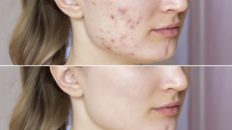
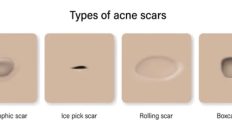
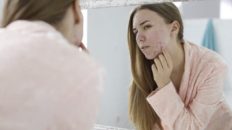
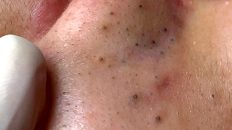
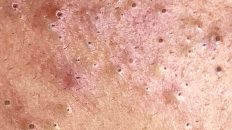
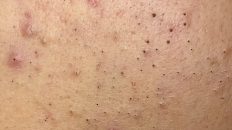
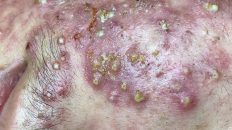
Cystic acne is the most severe form of acne. Instead of small spots on the surface, it causes large, painful lumps deep under the skin. They can last for weeks and often leave scars, which is why they deserve proper treatment.
How it is different from regular pimples
A regular pimple forms close to the surface. In cystic acne, the inflammation starts deep in the skin. The wall of the clogged follicle breaks, and the body reacts with strong swelling. The result is a firm, red or purple lump that hurts when touched and often does not come to a head.
Who gets it
Cystic acne is more common in teenagers and young adults, but adults can have it too. In women it often appears along the jawline and chin and can be linked to hormones. Genetics also play a role: if your parents had severe acne, you are more likely to get it.
Why home remedies are not enough
Over-the-counter creams work mostly on the surface, so they rarely reach deep cysts. Squeezing makes things worse, because there is usually nothing to push out, and the pressure spreads the inflammation further.
Treatments that work
A dermatologist has several options. Topical retinoids and antibiotics help some people. Oral antibiotics can calm inflammation for a few months. For women, certain birth control pills or spironolactone can help with hormonal acne. For severe, scarring acne, isotretinoin is the most effective treatment, but it needs close medical follow-up.
For a single painful cyst before an important event, a doctor can inject a small amount of diluted steroid, which often flattens it within a day or two.
Taking care of your skin
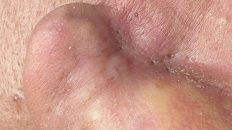
Use gentle, non-comedogenic products, avoid harsh scrubs, and apply a warm compress to painful lumps. Most importantly, do not wait too long to see a doctor, because early treatment is the best way to prevent scars. The videos below show how inflamed acne is treated in a professional clinic.