Proven Acne Solutions You Can Trust

Nutrition Glowing, youthful skin is not just about what you apply externally—it’s deeply influenced by what you consume and how you care for your body. A combination of mindful skincare practices and a nutrient-dense diet can slow down aging, enhance skin elasticity, and promote a radiant complexion. Understanding how these elements work together is the key to achieving timeless beauty.

The Role of Nutrition in Skin Health
Healthy skin starts from within. The food we consume directly impacts collagen production, hydration levels, and skin elasticity. A diet rich in antioxidants, vitamins, and healthy fats helps combat free radicals that cause premature aging. Fruits like berries, oranges, and pomegranates are loaded with vitamin C, which stimulates collagen production and improves skin texture. Leafy greens, nuts, and seeds provide essential nutrients like vitamin E and zinc, which promote skin repair and protect against environmental damage. Omega-3 fatty acids from fish, walnuts, and flaxseeds keep the skin supple and prevent dryness, reducing the appearance of fine lines and wrinkles.

Hydration The Secret to Youthful Skin
Water plays a crucial role in maintaining Nutrition skin health. Proper hydration ensures that the skin remains plump, resilient, and free from dullness. Dehydration leads to dry, flaky skin, making fine lines and wrinkles more visible. While drinking plenty of water is essential, consuming hydrating foods like cucumbers, watermelon, and celery further supports skin moisture levels. Herbal teas and coconut water also provide hydration while offering antioxidants that help fight aging.

Essential Skincare Habits for Anti-Aging
A consistent skincare routine tailored to your skin type can work wonders in preserving its youthful glow. Cleansing the skin daily removes impurities and excess oil, preventing clogged pores and breakouts. Exfoliation, performed 2-3 times a week, helps slough off dead skin cells, allowing new, healthy skin to emerge. Moisturizing is key to maintaining hydration and strengthening the skin barrier. Opt for anti-aging ingredients like hyaluronic acid, retinol, and peptides to boost collagen production and smooth out fine lines.

The Importance of Sun Protection
One of the most significant contributors to premature aging is sun damage. Prolonged UV exposure leads to dark spots, fine lines, and loss of Nutrition skin elasticity. The breakdown of collagen caused by UV rays accelerates sagging and makes the skin appear older than it truly is.Wearing a broad-spectrum sunscreen with at least SPF 30 daily—regardless of the weather—is a non-negotiable step in any skincare routine. Sunscreens containing zinc oxide or titanium dioxide offer the best protection by blocking both UVA and UVB rays.

Reapplying sunscreen every two hours when outdoors provides optimal protection. In addition to sunscreen, wearing hats and sunglasses and seeking shade during peak sun hours further shields the skin from harmful UV rays. Using protective clothing and UV-blocking umbrellas can provide an extra layer of defense.

Lifestyle Choices That Enhance Skin Longevity
Beyond Nutrition skincare and diet, lifestyle choices play a pivotal role in maintaining youthful skinGetting enough sleep allows the body to repair and regenerate skin cells, reducing signs of fatigue and aging. During sleep, the skin undergoes a natural healing process, where damaged cells are replaced with new one s. Ensuring 7-9 hours of quality sleep every night can significantly improve skin texture and brightness.

Managing stress through meditation, yoga, or deep breathing prevents stress-induced breakouts and inflammation. Chronic stress leads to elevated cortisol levels, which can break down collagen and lead to premature wrinkles.

Regular exercise improves circulation, ensuring that Nutrition skin cells receive oxygen and nutrients, resulting in a natural glow. Activities like yoga, jogging, and resistance training enhance blood flow to the skin, promoting faster healing and a radiant appearance.

Avoiding smoking and excessive alcohol consumption is crucial, as both dehydrate Nutrition skin and accelerate the aging process. Smoking reduces blood flow to the skin, making it appear dull and lifeless, while alcohol depletes essential vitamins and minerals that support skin health. Reducing sugar intake can also prevent glycation, a process where excess sugar damages collagen and elastin, leading to sagging skin.

Managing stress through meditation, yoga, or deep breathing prevents stress-induced breakouts and inflammation. Chronic stress leads to elevated cortisol levels, which can break down collagen and lead to premature wrinkles.

Regular exercise improves circulation, ensuring that Nutrition skin cells receive oxygen and nutrients, resulting in a natural glow. Activities like yoga, jogging, and resistance training enhance blood flow to the skin, promoting faster healing and a radiant appearance.

Avoiding smoking and excessive alcohol consumption is crucial, as both dehydrate Nutrition skin and accelerate the aging process. Smoking reduces blood flow to the skin, making it appear dull and lifeless, while alcohol depletes essential vitamins and minerals that support skin health. Reducing sugar intake can also prevent glycation, a process where excess sugar damages collagen and elastin, leading to sagging skin.

Conclusion: A Holistic Approach to Timeless Beauty

Achieving youthful, glowing Nutrition skin is a combination of nourishing your body from the inside out and maintaining a dedicated skincare routine. Prioritizing a nutrient-rich diet, staying hydrated, using sun protection, and adopting healthy lifestyle habits can significantly slow down the aging process By integrating these practices into your daily life, you can enjoy radiant, healthy skin for years to come. The secret to youthful skin lies in consistency—small daily habits add up to long-term benefits. Whether it’s choosing whole foods, applying sunscreen religiously, or making time for self-care, every effort counts toward preserving your natural beauty.
Understanding Acne Scarring

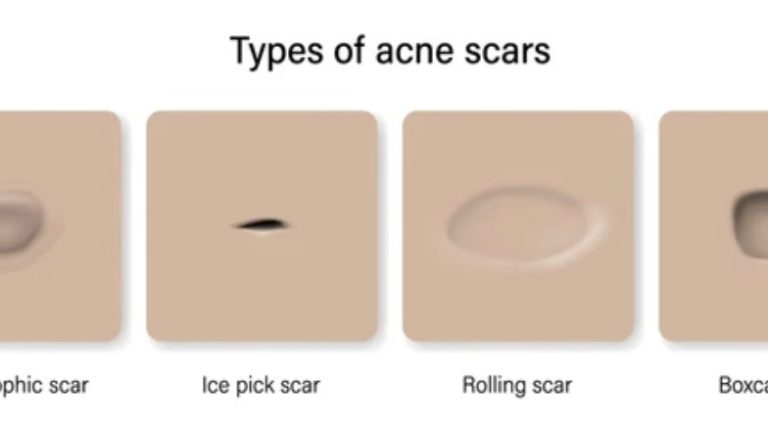
Types of Acne Scars

  1. Atrophic Scars:
    • Icepick Scars: Narrow, deep pits that resemble small puncture marks.
    • Boxcar Scars: Wider, rectangular depressions with defined edges.
    • Rolling Scars: Broad, shallow depressions with a wavy or rolling appearance.
  2. Hypertrophic Scars:
    • Raised, thickened scars that result from excess collagen production during the healing process.
    • More common on the chest, back, and shoulders.

Factors Contributing to Scar Formation

Acne scars develop due to various factors:

  • Inflammation: Severe inflammation damages collagen, leading to atrophic scars.
  • Delayed or Inadequate Treatment: Untreated or improperly managed acne is more likely to result in scarring.
  • Genetics: A person’s genetic predisposition can influence scar formation.
  • Skin Type: Individuals with darker skin tones may be more prone to hyperpigmentation and keloid scars.
  • Picking or Squeezing Pimples: This can introduce more bacteria and worsen inflammation, increasing the likelihood of scars.

Prevention of Acne Scarring

Early and Effective Acne Treatment

The best way to prevent acne scarring is to manage acne effectively from the start:

  • Consult a dermatologist for personalized treatment plans.
  • Follow prescribed medications and skincare routines.
  • Avoid picking, squeezing, or scratching pimples to reduce the risk of further damage.

Sun Protection

Protecting your skin from the sun is crucial to minimize the appearance of scars:

  • Use broad-spectrum sunscreen with SPF 30 or higher daily.
  • Wear protective clothing and wide-brimmed hats.
  • Avoid prolonged sun exposure, especially during peak hours.

Professional Treatments for Acne Scarring

Dermatological Options

Dermatologists offer several treatments to improve the appearance of acne scars:

  1. Chemical Peels: Chemical solutions are applied to the skin to remove the top layer, revealing smoother skin underneath.
  2. Microdermabrasion: A machine exfoliates the skin’s surface, reducing the visibility of scars.
  3. Microneedling: Tiny needles create controlled micro-injuries, stimulating collagen production and improving texture.
  4. Laser Therapy: Various laser and light-based treatments target scar tissue, promoting skin remodeling.
  5. Fillers for Volume Correction: Dermal fillers can temporarily raise depressed scars to the level of the surrounding skin.

The Importance of Consulting a Dermatologist

While some over-the-counter treatments and home remedies can help, consulting a dermatologist is crucial for effective scar management. Dermatologists can assess your specific scar types and recommend the most suitable treatments, often resulting in more significant improvements.

Topical Treatments for Acne Scarring

Topical Retinoids

Prescription retinoids like tretinoin can help reduce the appearance of acne scars by promoting collagen production and skin renewal.

Silicone Gels and Sheets

These products can be applied directly to scars and help hydrate the skin while flattening and softening scar tissue.

Vitamin C Serums

Vitamin C can aid in skin rejuvenation and improve the overall appearance of scars, especially when used consistently.

Home Remedies and Over-the-Counter Options

Natural Remedies

Some individuals find relief from the appearance of scars by using natural remedies like aloe vera gel, honey, or rosehip oil. While these options may offer mild improvements, they are not as effective as professional treatments.

Over-the-Counter Scar Creams and Gels

Various scar creams and gels are available over the counter, containing ingredients like onion extract, which may help improve the appearance of scars.

Combining Treatment Methods

For the best results, consider combining treatment methods:

  • Consult with a dermatologist to create a comprehensive scar management plan.
  • Use topical treatments as directed while undergoing professional treatments.
  • Maintain a consistent skincare routine to support scar healing.

Lifestyle and Skincare for Scar Management

Sun Protection and SPF Usage

Consistent sun protection is crucial to prevent hyperpigmentation and protect the healing skin.

Proper Hydration and Moisturization

Well-hydrated skin is more resilient and can better heal and repair itself.

Gentle Exfoliation and Skin Renewal

Exfoliating the skin regularly can help remove dead skin cells, allowing new skin to emerge.

Diet and Nutrition

A balanced diet rich in vitamins and antioxidants can support overall skin health.

Emotional and Psychological Support

Coping with Emotional Impact

Dealing with the emotional impact of acne scarring can be challenging:

  • Seek support from friends, family, or support groups.
  • Consider counseling or therapy to address self-esteem and body image issues.

Building Self-Esteem and Self-Acceptance

Remember that your worth is not defined by your skin’s appearance:

  • Focus on your positive qualities and accomplishments.
  • Practice self-acceptance and self-compassion.

Surgical Options for Severe Scarring

In severe cases, surgical interventions may be necessary:

  • Punch Excisions: Individual scars are removed and closed with sutures.
  • Subcision: A procedure to release tethered scars from the underlying tissue.
  • Dermal Fillers: Injectable fillers can raise depressed scars.

Conclusion

In conclusion, managing acne scarring requires a multifaceted approach, combining professional treatments, topical options, lifestyle choices, and emotional support. While complete scar removal may not always be possible, significant improvements can be achieved with patience, consistency, and the guidance of dermatological experts. Remember that your self-worth extends far beyond the appearance of your skin, and with the right care, you can regain confidence and embrace your natural beauty.

Understanding Acne

Introduction

  • Definition of acne
  • Prevalence and impact on individuals
  • The importance of understanding the condition

The Basics of Acne

  • Types of acne lesions
    • Whiteheads (closed comedones)
    • Blackheads (open comedones)
    • Papules
    • Pustules
    • Nodules
    • Cysts
  • Common locations where acne appears

What Causes Acne?

  • The role of sebaceous (oil) glands
  • Excess oil production
  • Accumulation of dead skin cells
  • Bacterial factors, especially Propionibacterium acnes (P. acnes)
  • Hormonal fluctuations and their influence
  • Genetics and the predisposition to acne

Acne Myths vs. Facts

  • Debunking common misconceptions
  • The truth about diet and acne
  • Dispelling the myth of poor hygiene

The Development of Acne Lesions

  • Step-by-step explanation of how acne lesions form
  • The role of clogged hair follicles
  • Inflammation and its impact

Types of Acne

  • Understanding the characteristics of each type
  • How they differ in appearance and severity
  • The significance of identifying the type for effective treatment

The Emotional and Psychological Impact

  • How acne affects self-esteem and confidence
  • Coping with the social and emotional challenges
  • Seeking support and professional guidance

Acne Across the Lifespan

  • Acne in adolescence
  • Adult-onset acne and its causes
  • Hormonal acne: understanding the hormonal triggers
  • Acne in pregnancy and its management

Seeking Help for Acne

  • The importance of early intervention
  • When to consult a dermatologist
  • The potential consequences of untreated acne

Conclusion

  • Recap of key points in understanding acne
  • The hope for clearer skin and improved well-being
  • The importance of seeking professional advice and treatment when needed

This outline provides a comprehensive structure for an article that covers the various aspects of understanding acne, from its basics and causes to its impact on individuals and the importance of seeking help and treatment. Each section can be further developed into a detailed article.

Acne Myths vs. Facts: What You Need to Know

Acne is a widespread skin condition that affects people of all ages, but it’s also a topic riddled with myths and misconceptions. From old wives’ tales to well-intentioned advice from friends and family, the world of acne is filled with conflicting information. In this article, we’ll explore some of the most prevalent acne myths and provide the facts you need to separate fiction from reality. Armed with accurate knowledge, you can make informed decisions about your skincare and better understand how to manage and treat acne effectively.

Myth 1: Acne Only Affects Teenagers

Fact: While acne is most commonly associated with adolescence, it can affect people of all ages. Adult acne is a real and increasingly common concern, affecting individuals well into their 30s, 40s, and even beyond. Hormonal fluctuations, stress, and other factors can contribute to acne breakouts in adults, making it crucial to address the condition beyond the teenage years.

Myth 2: Acne is Caused by Poor Hygiene

Fact: Acne is not solely the result of poor hygiene. While keeping your skin clean is essential, over-cleansing or harsh scrubbing can irritate the skin and exacerbate acne. The primary culprits behind acne are excess oil production, clogged pores, bacteria, and inflammation. Genetics, hormonal fluctuations, and diet also play significant roles in the development of acne.

Myth 3: Chocolate and Junk Food Cause Acne

Fact: The relationship between diet and acne is complex and varies from person to person. While some individuals may find that certain foods, particularly those high in sugar and processed carbohydrates, exacerbate their acne, there is no one-size-fits-all dietary cause for acne. Research on the topic is ongoing, but it’s essential to maintain a balanced diet and observe how specific foods may affect your skin.

Myth 4: Popping Pimples is an Effective Way to Get Rid of Acne

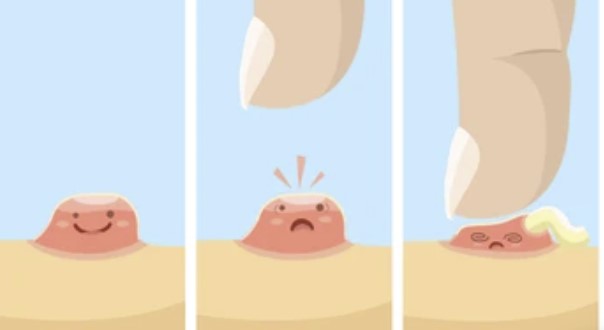
Fact: Popping pimples is a tempting but ineffective and potentially harmful method for dealing with acne. Squeezing or picking at pimples can push bacteria and debris deeper into the skin, leading to increased inflammation and the risk of infection. It can also result in scarring and worsen the appearance of acne. It’s best to rely on proper skincare and treatment products for acne management.

Myth 5: Sun Exposure Clears Acne

Fact: While sun exposure can initially appear to improve acne by drying out the skin and temporarily reducing inflammation, it’s not a recommended or long-term solution. Prolonged sun exposure can lead to skin damage, premature aging, and an increased risk of skin cancer. Additionally, some acne treatments can make the skin more sensitive to the sun, making sun protection even more critical.

Myth 6: Acne is Contagious

Fact: Acne is not a contagious condition. It develops from factors such as excess oil production, clogged pores, and inflammation within the individual’s skin. You cannot “catch” acne from someone else through physical contact or sharing personal items.

Myth 7: Toothpaste Can Cure Pimples Overnight

Fact: Applying toothpaste to pimples is a common DIY remedy, but it’s not an effective or safe solution. Toothpaste contains ingredients like menthol and fluoride that can be harsh on the skin, causing irritation and potentially making the pimple worse. Instead, use proper acne treatment products with ingredients like benzoyl peroxide or salicylic acid.

Myth 8: Acne Will Go Away on Its Own, So You Don’t Need to Treat It

Fact: While some people may experience mild acne that resolves on its own, many individuals require treatment to manage and control their acne effectively. Left untreated, acne can lead to scarring and emotional distress. Timely and appropriate treatment can help prevent these complications and improve the overall appearance and health of your skin.

Myth 9: You Should Dry Out Acne-Prone Skin with Harsh Products

Fact: Using harsh products that strip the skin of all oil can actually worsen acne. When the skin is excessively dry, it may compensate by producing even more oil, leading to further clogged pores and breakouts. Instead, opt for gentle, non-comedogenic cleansers and moisturizers that help maintain a healthy balance in your skin.

Myth 10: Acne is Just a Cosmetic Issue, and It Doesn’t Affect Your Health

Fact: While acne is primarily a skin condition, it can have a significant impact on your emotional well-being and self-esteem. The emotional and psychological effects of acne should not be underestimated. Furthermore, severe cases of acne can result in scarring, which may require medical intervention to address. Treating acne is not just about appearance; it’s about overall well-being and skin health.

Myth 11: You Can Spot-Treat Acne with Toothpaste or Aspirin

Fact: Using toothpaste or crushed aspirin as spot treatments may seem like quick fixes, but they can be harsh on the skin and may not be effective at treating the root causes of acne. It’s best to use specialized acne treatment products that are formulated to target acne-causing factors and have been tested for safety and efficacy.

Myth 12: Acne Products Work Overnight

Fact: Acne products, whether over-the-counter or prescription, usually take time to produce visible results. It can take several weeks to see significant improvements in your skin. Consistency in using the products as directed is key to achieving the best results.

Myth 13: Acne Will Go Away Once You Get Older

Fact: While acne may improve with age for some individuals, it’s not guaranteed to disappear entirely. Many adults continue to experience acne breakouts well into their adult years. Hormonal fluctuations, stress, and other factors can contribute to adult acne.

Conclusion

Acne myths can perpetuate confusion and lead to ineffective or harmful skincare practices. To effectively manage and treat acne, it’s essential to rely on evidence-based information and consult with a dermatologist if needed. Understanding the facts about acne can help you make informed decisions about your skincare routine, treatment options, and lifestyle choices. By separating fact from fiction, you can take proactive steps to address your acne and achieve clearer, healthier skin.

Say Goodbye to Blackheads: Effective Removal and Prevention

Blackheads, those pesky little dark spots that can appear on your skin, are a common skincare concern for people of all ages. These tiny, pinhead-sized blemishes often appear on the face, particularly in the T-zone (forehead, nose, and chin), but can also pop up on the back, chest, and shoulders. While they are not as inflamed or noticeable as pimples or cysts, blackheads can still be a source of frustration and insecurity for many. In this comprehensive article, we will explore what blackheads are, why they form, and most importantly, how to effectively remove and prevent them, so you can say goodbye to blackheads for good.

Understanding Blackheads

Before we delve into removal and prevention strategies, it’s important to understand what blackheads are and why they occur.

What Are Blackheads?

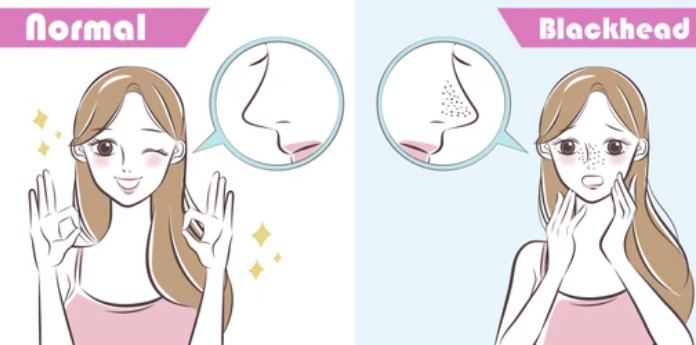
Blackheads, also known as open comedones, are a type of acne lesion. They appear as small, raised bumps on the skin’s surface and have a dark or black coloration at the center. This dark appearance is due to the oxidation of melanin, the pigment responsible for our skin, hair, and eye color. Unlike pimples or pustules, blackheads are non-inflammatory, meaning they are not red, swollen, or painful.

How Do Blackheads Form?

Blackheads develop when hair follicles become clogged with a combination of excess oil (sebum), dead skin cells, and sometimes bacteria. Here’s how the process unfolds:

  1. Excess Oil Production: Your skin naturally produces oil to keep it moisturized and protected. However, when the sebaceous glands in your skin produce more oil than needed, it can mix with dead skin cells and become trapped in hair follicles.
  2. Clogged Pores: The mixture of excess oil and dead skin cells forms a plug within the hair follicle, blocking its normal pathway to the skin’s surface. This plug is called a comedone.
  3. Oxygen Exposure: Unlike closed comedones (whiteheads), which remain sealed under the skin’s surface, blackheads are open to the skin’s surface. This allows oxygen to come into contact with the trapped material.
  4. Oxidation: When the trapped mixture is exposed to air, it undergoes a chemical reaction known as oxidation. This reaction causes the melanin within the mixture to turn dark or black, giving blackheads their distinctive appearance.

It’s important to note that blackheads are a common occurrence and not a sign of poor hygiene. They can happen to anyone, regardless of how diligently they cleanse their skin.

Effective Removal of Blackheads

Now that we have a grasp of what blackheads are and how they form, let’s explore effective methods for removing them safely. Keep in mind that improper removal can lead to skin irritation, scarring, or even more blackheads. Here are some proven strategies:

1. Gentle Cleansing:

A consistent skincare routine that includes gentle cleansing is essential for managing blackheads. Use a mild, non-comedogenic cleanser twice daily to remove excess oil and dirt from your skin. Avoid harsh scrubbing, as it can worsen blackheads.

2. Exfoliation:

Regular exfoliation helps remove dead skin cells from the surface of your skin, reducing the risk of blackheads. Look for exfoliating products containing salicylic acid or glycolic acid, which are effective at penetrating and unclogging pores. Use exfoliants 2-3 times a week to avoid over-exfoliation.

3. Steam Your Face:

Steam can help loosen and soften blackheads, making them easier to remove. To steam your face, fill a bowl with hot water and lean over it, covering your head with a towel to trap the steam. Do this for about 5-10 minutes, then proceed to the next step.

4. Manual Extraction:

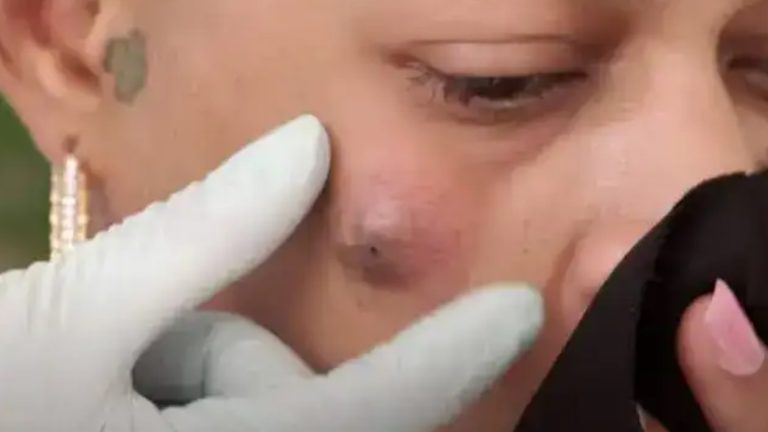
Gently squeezing blackheads with clean fingers or a comedone extractor can help remove them. Ensure your hands and tools are clean, and only attempt this on blackheads that are close to the surface. Press gently, and if the blackhead doesn’t come out easily, don’t force it to avoid skin damage or infection.

5. Clay Masks:

Clay masks can help draw out impurities from the skin, including excess oil and blackheads. Apply a clay mask once a week, and follow the instructions on the product label.

6. Over-the-Counter Products:

There are over-the-counter products specifically formulated to treat blackheads. Look for topical treatments containing ingredients like salicylic acid or benzoyl peroxide. These can help break down the plugs in the pores and prevent new blackheads from forming.

7. Professional Extraction:

For stubborn or deeply embedded blackheads, it’s best to seek professional help from a dermatologist or an esthetician. They have the expertise and tools to safely extract blackheads without causing harm to the skin.

8. Chemical Peels:

Chemical peels administered by a dermatologist can be effective at exfoliating the skin’s surface and reducing blackheads. These treatments should only be done by a trained professional.

Preventing Blackheads

Prevention is key when it comes to blackheads. Once you’ve successfully removed them, you’ll want to take steps to keep them from coming back. Here are some preventive measures:

1. Regular Cleansing:

Maintain a consistent skincare routine that includes gentle cleansing. This will help remove excess oil and prevent the buildup of dead skin cells that can lead to blackheads.

2. Use Non-Comedogenic Products:

Choose skincare and makeup products labeled as non-comedogenic or oil-free. These products are less likely to clog your pores.

3. Exfoliate:

Regular exfoliation, as mentioned earlier, can help prevent blackheads by removing dead skin cells before they clog your pores.

4. Avoid Touching Your Face:

Touching your face with your hands can transfer oil and dirt to your skin, potentially leading to blackheads. Try to keep your hands away from your face as much as possible.

5. Use Oil-Free Sunscreen:

Protecting your skin from the sun is crucial, but choose an oil-free sunscreen to avoid clogging your pores.

6. Balanced Diet:

Some studies suggest that a diet high in sugary and high-glycemic-index foods may exacerbate acne and blackheads in some individuals. Consider maintaining a balanced diet rich in fruits, vegetables, whole grains, and lean proteins.

7. Hydration:

Staying hydrated can help maintain skin health and prevent excessive oil production.

8. Don’t Overdo It:

Avoid excessive cleansing or exfoliating, as it can strip your skin of natural oils and lead to rebound oil production.

Conclusion

Blackheads can be a persistent and bothersome skin concern, but with the right approach, you can effectively remove them and keep them at bay. Remember that patience and consistency are key when dealing with blackheads. Avoid aggressive or harsh methods, as they can lead to skin damage and further issues. Instead, focus on a gentle and holistic skincare routine that includes regular cleansing, exfoliation, and the use of appropriate products. If blackheads persist or become severe, consult a dermatologist for professional guidance and treatment options. With dedication and proper care, you can achieve a smoother, clearer complexion and say goodbye to blackheads for good.

Acne Uncovered: Understanding Causes and Solutions

Acne is a common skin condition that affects millions of people worldwide, transcending age, gender, and ethnicity. While it may seem like a mere inconvenience on the surface, acne can have a profound impact on an individual’s self-esteem, emotional well-being, and overall quality of life. To effectively combat this skin concern, it’s crucial to understand the underlying causes and explore evidence-based solutions. In this comprehensive article, we will uncover the science behind acne, examining its causes and providing actionable solutions to help you achieve clearer, healthier skin.

The Basics of Acne

Before diving into the causes and solutions, let’s establish a fundamental understanding of acne.

What is Acne?

Acne, medically known as acne vulgaris, is a chronic skin condition characterized by the formation of various blemishes, including pimples, blackheads, whiteheads, and sometimes cysts. These skin imperfections typically appear on areas of the body where sebaceous (oil) glands are highly concentrated, such as the face, neck, chest, back, and shoulders.

How Does Acne Develop?

The development of acne is a multi-step process that involves several key factors:

  1. Excess Oil Production: Our skin contains sebaceous glands responsible for producing oil (sebum) to keep the skin moisturized and protected. However, when these glands produce an excess of oil, it can mix with dead skin cells and become trapped in hair follicles.
  2. Clogged Pores: The accumulation of excess oil and dead skin cells forms a plug within the hair follicle, obstructing its normal function. This plug is known as a comedone.
  3. Bacterial Growth: Propionibacterium acnes (P. acnes), a bacterium naturally present on the skin, thrives in the oxygen-deprived environment created by clogged hair follicles. P. acnes can multiply within these follicles, leading to inflammation and infection.
  4. Inflammation: As the bacteria multiply, the body’s immune response is triggered, resulting in inflammation. This inflammation is what causes the redness, swelling, and discomfort associated with acne lesions.

Types of Acne Lesions:

Acne can manifest in various forms, each with its own characteristics:

  1. Blackheads (Open Comedones): These are non-inflammatory, open pores with a darkened plug at the surface. The dark color is due to oxidation, not dirt.
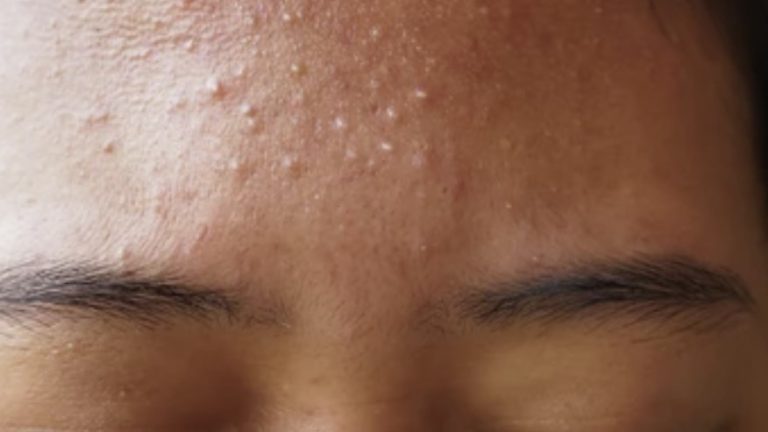
  2. Whiteheads (Closed Comedones): These are non-inflammatory, closed pores with a small white bump just below the skin’s surface.
  3. Papules: Small, red, and tender bumps that result from inflammation and infection of the hair follicles.
  4. Pustules: Similar to papules but filled with pus. These are often referred to as “pimples.”
  5. Nodules: Large, painful, solid lumps that develop beneath the skin’s surface due to severe inflammation.
  6. Cysts: The most severe form of acne lesion, cysts are painful, pus-filled lumps that can lead to scarring if not treated promptly.

With a foundational understanding of acne in place, let’s explore the causes that contribute to its development.

The Science Behind Acne: Causes and Contributors

Acne is a complex skin condition influenced by various factors. Understanding these causes is essential for developing effective strategies to combat acne.

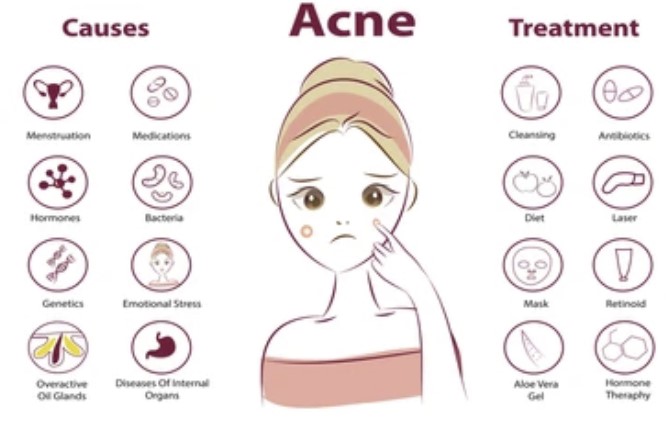
1. Hormonal Fluctuations:

Hormones, particularly androgens (male hormones), play a significant role in the development of acne. These hormones stimulate sebaceous glands to produce more oil, increasing the risk of clogged pores and acne breakouts. Hormonal fluctuations are why acne is often most prevalent during puberty.

2. Genetics:

Genetics can influence an individual’s susceptibility to acne. If you have a family history of acne, you may be more prone to developing the condition due to genetic factors that affect sebum production and skin inflammation.

3. Excess Oil Production:

Overactive sebaceous glands produce excessive amounts of oil, leading to the accumulation of oil within hair follicles and an increased risk of clogged pores.

4. Dead Skin Cells:

The continuous shedding of skin cells can result in the buildup of dead cells on the skin’s surface. When combined with excess oil, these dead skin cells can clog pores and contribute to acne development.

5. Bacterial Growth:

Propionibacterium acnes (P. acnes), a naturally occurring bacterium on the skin, can multiply within clogged pores, triggering inflammation and infection.

6. Inflammation:

The body’s natural response to bacteria and foreign substances can lead to inflammation, resulting in redness, swelling, and the formation of acne lesions.

7. Diet:

While the relationship between diet and acne is complex and varies from person to person, some individuals find that certain dietary factors, such as high-glycemic-index foods and dairy products, can exacerbate acne.

8. External Factors:

Environmental factors, including exposure to pollution, humidity, and friction from tight clothing or headgear, can contribute to acne formation or aggravation.

Now that we have a comprehensive understanding of the causes of acne, let’s explore evidence-based solutions to effectively combat this skin condition and achieve clearer skin.

Effective Solutions for Acne-Free Skin

Combatting acne involves a multifaceted approach that addresses its underlying causes and incorporates preventive measures. Here are key strategies to help you attain and maintain acne-free skin:

1. Establish a Consistent Skincare Routine:

A daily skincare routine forms the foundation of acne prevention and management. Here are the key steps to include:

  • Cleansing: Use a gentle, non-comedogenic cleanser to remove excess oil, dirt, and impurities from your skin.
  • Exfoliating: Incorporate a mild exfoliant with ingredients like salicylic acid or glycolic acid 2-3 times a week to help unclog pores and remove dead skin cells.
  • Moisturizing: Even if you have oily skin, use a lightweight, non-comedogenic moisturizer to maintain skin hydration.
  • Sun Protection: Apply sunscreen with an SPF of at least 30 daily to protect your skin from UV damage. Some acne treatments can increase skin sensitivity to the sun.

2. Choose the Right Products:

Select skincare products that match your skin type and concerns. Look for labels such as “oil-free,” “non-comedogenic,” and “hypoallergenic.” Avoid harsh, abrasive products that can irritate the skin and exacerbate acne.

3. Topical Treatments:

Over-the-counter and prescription topical treatments can be valuable in preventing and managing acne. These treatments may contain ingredients such as:

  • Benzoyl Peroxide: Kills acne-causing bacteria and helps unclog pores.
  • Salicylic Acid: Exfoliates the skin’s surface and helps prevent pore blockage.
  • Retinoids: Derived from vitamin A, retinoids promote skin cell turnover and prevent clogged pores.

Consistency in applying these products and following your dermatologist’s prescription recommendations for treatments are essential.

4. Hormonal Treatments:

For individuals with hormonal acne, hormonal treatments may be beneficial. Birth control pills and medications like spironolactone can help regulate hormone levels and reduce acne flare-ups.

5. Lifestyle Modifications:

Certain lifestyle changes can significantly impact acne prevention and management:

  • Diet: While the relationship between diet and acne is individualized, some people find that reducing their intake of high-glycemic-index foods and dairy products can help improve their skin.
  • Stress Management: Elevated stress levels can exacerbate acne. Consider incorporating stress-reduction techniques like meditation, yoga, or deep breathing exercises into your daily routine.
  • Regular Exercise: Physical activity promotes circulation and can help reduce stress. After exercising, be sure to shower and cleanse your skin to prevent sweat-induced acne.

6. Professional Treatments:

Dermatologists offer a range of professional treatments to help combat acne:

  • Chemical Peels: These treatments use exfoliating acids to remove the top layer of skin, helping unclog pores and improve skin texture.
  • Microdermabrasion: A non-invasive procedure that uses a machine to exfoliate the skin’s surface, reducing the visibility of acne scars.
  • Laser Therapy: Laser treatments can target acne-causing bacteria and reduce inflammation, resulting in clearer skin.

7. Avoid Picking and Squeezing:

Resist the urge to pop or pick at pimples. These actions can lead to infection, scarring, and further inflammation. Instead, rely on proper skincare and treatment products to address blemishes.

8. Seek Professional Guidance:

For individuals dealing with severe, persistent, or scarring acne, it’s essential to consult a dermatologist. Dermatologists can develop personalized treatment plans tailored to your unique skin type and acne severity, which may include prescription medications.

Conclusion

Acne, though often frustrating and bothersome, is a common skin condition with roots in science and biology. By understanding the factors that contribute to acne formation and employing effective strategies to manage and prevent them, you can achieve clearer, healthier skin and boost your self-confidence. Remember that everyone’s skin is unique, and it may take some trial and error to find the most effective approach for you. With patience, dedication, and a well-informed skincare routine, you can beat acne and reclaim your confidence, allowing your natural radiance to shine through.

Skin Deep: Exploring the Emotional Impact of Acne

The phrase “beauty is only skin deep” holds a profound truth, emphasizing that true beauty goes beyond appearances. However, the emotional and psychological impact of skin conditions, particularly acne, can run deep, affecting an individual’s self-esteem, self-worth, and overall quality of life. Acne, a common skin condition that affects millions worldwide, often leaves more than just physical scars—it can leave emotional ones too. In this in-depth exploration, we will delve into the emotional impact of acne, understanding the challenges it poses, and providing insights and strategies to help those affected cope and regain their self-confidence.

The Hidden Burden of Acne

Acne, also known as acne vulgaris, is a skin condition characterized by the development of various blemishes, including pimples, blackheads, whiteheads, and cysts. These unsightly manifestations can appear on the face, neck, chest, back, and shoulders—areas where sebaceous (oil) glands are highly concentrated. While acne is primarily a physical concern, its emotional impact can be profound and far-reaching.

1. Impact on Self-Esteem:

One of the most significant emotional consequences of acne is its effect on self-esteem. Individuals with acne may experience feelings of embarrassment, shame, and lowered self-worth due to the visible nature of the condition. The presence of acne lesions can lead to self-consciousness and reluctance to engage in social activities or interact with others.

2. Psychological Distress:

Acne can trigger psychological distress, including anxiety and depression. The persistent nature of acne, coupled with the fear of worsening breakouts or scarring, can create a cycle of negative emotions and stress.

3. Social Isolation:

People with acne may withdraw from social situations to avoid potential judgment or comments about their skin. This isolation can further exacerbate feelings of loneliness and depression.

4. Impact on Relationships:

Acne can strain personal relationships, especially romantic ones. Affected individuals may fear that their skin condition makes them less attractive to their partners or may struggle with feelings of unworthiness.

5. Decreased Quality of Life:

The emotional burden of acne can significantly impact an individual’s quality of life. Activities that others may take for granted, such as going out without makeup or feeling confident in their appearance, can become daunting challenges for those with acne.

6. Academic and Career Consequences:

Young people with acne may face academic challenges due to anxiety and low self-esteem, potentially impacting their educational attainment and future career prospects.

Understanding the Emotional Impact

To effectively address the emotional impact of acne, it’s crucial to understand the underlying factors that contribute to these emotions:

1. Societal Beauty Standards:

Society often perpetuates unrealistic beauty standards, promoting flawless skin as an ideal. This can create immense pressure on individuals with acne to conform to these standards and feel inadequate when they cannot.

2. Peer and Media Influences:

Peers and media play a significant role in shaping perceptions of beauty. Seeing airbrushed and filtered images of celebrities and influencers with seemingly perfect skin can lead to feelings of inadequacy among those with acne.

3. Fear of Judgment:

The fear of being judged or ridiculed for one’s appearance can be paralyzing. This fear often leads to self-imposed isolation and avoidance of social situations.

4. Perceived Lack of Control:

Acne can make individuals feel as though they have little control over their own bodies. The unpredictability of breakouts can be frustrating and disheartening.

Coping with the Emotional Impact of Acne

While the emotional impact of acne can be significant, there are strategies and support systems in place to help individuals cope effectively:

1. Seek Professional Guidance:

Consulting a dermatologist is the first step in managing acne. Dermatologists can provide personalized treatment plans and recommendations tailored to an individual’s unique skin type and severity of acne.

2. Understand that Acne is Treatable:

It’s essential to remember that acne is a treatable condition. Dermatological treatments, both topical and oral, have proven effective in reducing and managing acne lesions.

3. Establish a Skincare Routine:

A consistent skincare routine can help improve skin health and reduce the severity of breakouts. Working with a dermatologist or skincare professional can help identify suitable products and practices.

4. Practice Self-Compassion:

Self-compassion involves treating oneself with kindness and understanding, especially during challenging times. Remind yourself that having acne does not diminish your worth as a person.

5. Connect with Supportive Individuals:

Share your feelings and experiences with trusted friends and family members who can provide emotional support and empathy. Talking openly about your struggles can alleviate emotional burdens.

6. Seek Therapy or Counseling:

For individuals struggling with anxiety, depression, or other mental health issues related to acne, therapy or counseling can be immensely beneficial. Mental health professionals can provide tools to manage negative emotions effectively.

7. Challenge Unrealistic Beauty Standards:

Recognize that societal beauty standards are often unattainable and unrealistic. Challenge these standards and remember that true beauty extends beyond physical appearance.

8. Practice Self-Care:

Incorporate self-care practices into your daily routine. Activities like meditation, yoga, exercise, and mindfulness can help reduce stress and improve overall well-being.

9. Support Groups:

Consider joining acne support groups or online communities where you can connect with others facing similar challenges. Sharing experiences and advice can provide a sense of belonging and encouragement.

10. Professional Help for Scarring:

If acne has left physical scars, consult with a dermatologist or cosmetic specialist about treatments like laser therapy, chemical peels, or microdermabrasion to improve skin texture and reduce scarring.

Conclusion

Acne is more than just a physical skin condition; it carries a profound emotional burden that can affect self-esteem, mental health, and overall quality of life. Understanding the emotional impact of acne and implementing strategies to cope with these emotions are crucial steps toward healing and regaining self-confidence. Remember that you are not alone in your journey, and seeking professional guidance, emotional support, and self-compassion are essential components of overcoming the emotional challenges posed by acne. Ultimately, true beauty goes beyond appearances, and self-acceptance and self-love are the keys to unlocking the confidence and resilience needed to face life’s challenges, including acne, with grace and strength.

The Science Behind Pimples and How to Beat Them

Pimples, those tiny but annoying skin eruptions, have plagued almost everyone at some point in their lives. These small bumps, often characterized by redness and discomfort, can seemingly appear out of nowhere and become a source of frustration and self-consciousness. However, there’s more to pimples than meets the eye. In this comprehensive article, we will delve into the science behind pimples, understanding what causes them to form and exploring effective strategies to beat them and achieve clear, blemish-free skin.

Understanding Pimples: What Are They?

Before we embark on our journey to conquer pimples, it’s essential to have a clear understanding of what they are and how they develop.

What Are Pimples?

Pimples, also known as acne vulgaris, are a common skin condition characterized by the formation of small, raised bumps on the skin’s surface. These blemishes typically appear on the face, neck, chest, back, and shoulders, areas where the skin has a high concentration of oil glands.

How Do Pimples Develop?

To comprehend the science behind pimples, it’s vital to understand their development process. Pimples begin to form when hair follicles, the tiny sacs in the skin that house hair and sebaceous (oil) glands, become clogged. This blockage is usually caused by a combination of factors, including excess oil production, dead skin cells, and bacterial growth.

The formation of a pimple can be broken down into the following steps:

  1. Excess Oil Production: Our skin’s sebaceous glands produce oil, known as sebum, to keep it moisturized and protected. However, when these glands produce too much oil, it can mix with dead skin cells and become trapped in the hair follicles.
  2. Clogged Pores: As the excess oil and dead skin cells accumulate, they form a plug within the hair follicle, obstructing its normal function. This plug is known as a comedone.
  3. Bacterial Growth: The bacterium Propionibacterium acnes (P. acnes), which naturally resides on the skin, thrives in this oily, anaerobic (oxygen-deprived) environment. P. acnes can multiply within the clogged follicle, leading to inflammation and infection.
  4. Inflammation: As the bacteria multiply, the body’s immune response is triggered, resulting in inflammation. This inflammation is what causes the redness, swelling, and discomfort associated with pimples.

Types of Pimples:

Pimples can take various forms, each with its own characteristics:

  1. Blackheads (Open Comedones): Non-inflammatory, these are open pores with a darkened plug at the surface. The dark color is due to oxidation, not dirt.
  2. Whiteheads (Closed Comedones): Non-inflammatory, these are closed pores with a small white bump just below the skin’s surface.
  3. Papules: Small, red, and tender bumps that result from inflammation and infection of the hair follicles.
  4. Pustules: Similar to papules but filled with pus. These are often referred to as “pimples.”
  5. Nodules: Large, painful, solid lumps that develop beneath the skin’s surface due to severe inflammation.
  6. Cysts: The most severe form of pimple, cysts are painful, pus-filled lumps that can lead to scarring if not treated promptly.

Now that we understand the basics of pimple formation, let’s explore the science behind what causes them and how to effectively combat them.

The Science Behind Pimples: Causes and Contributors

Pimple formation is influenced by several factors, and understanding these causes is vital for developing effective strategies to beat them:

1. Hormonal Fluctuations:

Hormones, especially androgens (male hormones), play a substantial role in the development of pimples. Androgens stimulate the sebaceous glands to produce more oil, increasing the likelihood of clogged pores and acne breakouts. This is why acne is often most prevalent during puberty, when hormone levels surge.

2. Genetics:

Genetics can also contribute to an individual’s susceptibility to pimples. If your parents or siblings had acne, you may be more prone to developing it as well. Genetic factors can influence the skin’s oil production, inflammation response, and overall predisposition to acne.

3. Excess Oil Production:

Overactive sebaceous glands produce more oil than necessary, leading to the accumulation of excess sebum within the hair follicles. This excess oil can block pores and contribute to pimple formation.

4. Dead Skin Cells:

The outer layer of our skin continuously sheds dead skin cells as part of its natural renewal process. However, sometimes these cells do not slough off effectively and can accumulate, especially when combined with excess oil. This accumulation can clog pores and serve as a breeding ground for bacteria.

5. Bacterial Growth:

Propionibacterium acnes (P. acnes) is a bacterium that naturally resides on our skin. It plays a role in the development of pimples when it multiplies within clogged pores, leading to inflammation and infection. P. acnes thrives in the oxygen-deprived environment created by the blocked follicles.

6. Inflammation:

Inflammation is a crucial aspect of the pimple development process. When P. acnes proliferates within the clogged hair follicle, the body’s immune response is triggered, resulting in redness, swelling, and discomfort.

7. Diet:

While the link between diet and pimples is complex and varies from person to person, some individuals find that certain dietary factors, such as high-glycemic-index foods and dairy products, can exacerbate acne.

8. External Factors:

Environmental factors, including exposure to pollution, humidity, and friction from tight clothing or headgear, can contribute to pimple formation or aggravation.

Beating Pimples: Effective Strategies for Clearer Skin

Now that we’ve delved into the science behind pimples and their causes, let’s explore a range of effective strategies to help you beat them and achieve clearer, healthier skin.

1. Establish a Consistent Skincare Routine:

A daily skincare routine forms the foundation of pimple management. Here are the key steps to include:

  • Cleansing: Use a gentle, non-comedogenic cleanser to remove excess oil, dirt, and impurities from your skin.
  • Exfoliating: Incorporate a mild exfoliant with ingredients like salicylic acid or glycolic acid 2-3 times a week to help unclog pores and remove dead skin cells.
  • Moisturizing: Even if you have oily skin, use a lightweight, non-comedogenic moisturizer to maintain skin hydration.
  • Sun Protection: Always apply sunscreen with an SPF of at least 30 to protect your skin from UV damage. Some acne treatments can make the skin more sensitive to the sun.

2. Choose the Right Products:

Select skincare products that match your skin type and concerns. Look for labels like “oil-free,” “non-comedogenic,” and “hypoallergenic.” Avoid harsh, abrasive products that can irritate the skin and exacerbate pimples.

3. Topical Treatments:

Over-the-counter and prescription topical treatments can be valuable in managing pimples. These treatments may contain ingredients such as:

  • Benzoyl Peroxide: Kills acne-causing bacteria and helps unclog pores.
  • Salicylic Acid: Exfoliates the skin’s surface and helps prevent pore blockage.
  • Retinoids: Derived from vitamin A, retinoids promote skin cell turnover and prevent clogged pores.

Consistency in applying these products and adherence to your dermatologist’s prescription recommendations are essential.

4. Hormonal Treatments:

For individuals with hormonal acne, hormonal treatments may be beneficial. Birth control pills and medications like spironolactone can help regulate hormone levels and reduce acne flare-ups.

5. Lifestyle Modifications:

Certain lifestyle changes can significantly impact pimple management:

  • Diet: Although the relationship between diet and pimples is individualized, some people find that reducing their intake of high-glycemic-index foods and dairy products can help improve their skin.
  • Stress Management: Elevated stress levels can exacerbate pimples. Consider incorporating stress-reduction techniques like meditation, yoga, or deep breathing exercises into your daily routine.
  • Regular Exercise: Physical activity promotes circulation and can help reduce stress. After exercising, be sure to shower and cleanse your skin to prevent sweat-induced pimples.

6. Professional Treatments:

Dermatologists offer a range of professional treatments to help conquer pimples:

  • Chemical Peels: These treatments use exfoliating acids to remove the top layer of skin, helping unclog pores and improve skin texture.
  • Microdermabrasion: A non-invasive procedure that uses a machine to exfoliate the skin’s surface, reducing the visibility of acne scars.
  • Laser Therapy: Laser treatments can target acne-causing bacteria and reduce inflammation, resulting in clearer skin.

7. Avoid Picking and Squeezing:

Resist the urge to pop or pick at pimples. These actions can lead to infection, scarring, and further inflammation. Instead, rely on proper skincare and treatment products to address blemishes.

8. Seek Professional Guidance:

For individuals dealing with severe, persistent, or scarring pimples, it’s essential to consult a dermatologist. Dermatologists can develop personalized treatment plans tailored to your unique skin type and acne severity, which may include prescription medications.

Conclusion

Pimples, though often frustrating and bothersome, are a common skin condition with roots in science and biology. By understanding the factors that contribute to pimple formation and employing effective strategies to manage and prevent them, you can achieve clearer, healthier skin and boost your self-confidence. Remember that everyone’s skin is unique, and it may take some trial and error to find the most effective approach for you. With patience, dedication, and a well-informed skincare routine, you can beat pimples and reclaim your confidence, allowing your natural radiance to shine through.

Guide to Conquering Acne

Acne is a common skin condition that affects millions of people around the world, regardless of age, gender, or ethnicity. It often emerges during adolescence but can persist into adulthood, causing physical and emotional distress. The good news is that with the right knowledge and a proactive approach, conquering acne is entirely achievable. In this comprehensive guide, we will explore the various aspects of acne, from its causes and types to effective treatments and prevention strategies.

Understanding Acne

Before we delve into conquering acne, it’s essential to have a clear understanding of what acne is and how it develops.

What is Acne?

Acne is a skin condition characterized by the formation of pimples, blackheads, whiteheads, and in some cases, painful cysts. These blemishes commonly appear on the face, neck, chest, back, and shoulders—areas where sebaceous (oil) glands are most abundant.

How Does Acne Develop?

Acne begins when hair follicles become clogged with oil and dead skin cells. This environment is ideal for the growth of the bacterium Propionibacterium acnes, leading to inflammation, redness, and the development of various types of acne lesions.

Types of Acne Lesions:

  1. Blackheads (Open Comedones): These are non-inflammatory, open pores with a darkened plug at the surface. The dark color is due to oxidation, not dirt.
  2. Whiteheads (Closed Comedones): These are non-inflammatory, closed pores with a small white bump just below the skin’s surface.
  3. Papules: Small, red, and tender bumps that result from inflammation and infection of the hair follicles.
  4. Pustules: Similar to papules but filled with pus. These are often referred to as “pimples.”
  5. Nodules: Large, painful, solid lumps that develop beneath the skin’s surface due to severe inflammation.
  6. Cysts: The most severe form of acne lesion, cysts are painful, pus-filled lumps that can lead to scarring if not treated promptly.

The Causes of Acne

Acne is a multifactorial condition with several underlying causes. Understanding these causes is crucial for developing effective strategies to conquer acne.

1. Hormonal Fluctuations: Hormones, especially androgens (male hormones), play a significant role in acne development. They stimulate the sebaceous glands to produce more oil, increasing the risk of clogged pores.

2. Genetics: A family history of acne can increase an individual’s susceptibility to the condition. If your parents or siblings had acne, you may be more likely to develop it as well.

3. Excess Oil Production: Overactive sebaceous glands produce excessive oil, which can clog hair follicles and lead to acne breakouts.

4. Dead Skin Cells: The continuous shedding of skin cells can lead to the accumulation of dead cells on the skin’s surface, clogging pores and contributing to acne development.

5. Bacterial Growth: Propionibacterium acnes, a type of bacteria commonly found on the skin, can multiply within clogged pores and trigger inflammation.

6. Inflammation: The body’s natural response to bacteria and foreign substances can result in inflammation, leading to redness, swelling, and the formation of acne lesions.

Conquering Acne: Effective Strategies

Now that we have a clear understanding of what acne is and what causes it, let’s explore effective strategies for conquering acne.

1. Establish a Consistent Skincare Routine:

A daily skincare routine is the foundation for managing acne. Here are the key steps to include:

  • Cleansing: Use a gentle, non-comedogenic cleanser to remove excess oil and impurities from your skin.
  • Exfoliating: Incorporate a mild exfoliant with salicylic acid or glycolic acid 2-3 times a week to help unclog pores and remove dead skin cells.
  • Moisturizing: Even if you have oily skin, use a lightweight, non-comedogenic moisturizer to keep your skin hydrated.
  • Sun Protection: Always apply sunscreen with an SPF of at least 30 to protect your skin from sun damage. Some acne treatments can make the skin more sensitive to UV rays.

2. Choose the Right Products:

Select skincare products that are appropriate for your skin type. Look for labels like “oil-free,” “non-comedogenic,” and “hypoallergenic.” Avoid harsh, abrasive products that can irritate the skin and exacerbate acne.

3. Topical Treatments:

Over-the-counter and prescription topical treatments can help manage acne. These may include products containing:

  • Benzoyl Peroxide: Kills acne-causing bacteria and helps unclog pores.
  • Salicylic Acid: Exfoliates the skin and helps prevent pore blockage.
  • Retinoids: Derived from vitamin A, retinoids encourage skin cell turnover and prevent clogged pores.

It’s essential to be consistent in your application of these products and follow your dermatologist’s recommendations for prescription treatments.

4. Hormonal Treatments:

For individuals with hormonal acne, hormonal treatments may be beneficial. Birth control pills and medications like spironolactone can help regulate hormone levels and reduce acne flare-ups.

5. Lifestyle Modifications:

Certain lifestyle changes can also make a significant difference in acne management:

  • Diet: Although the relationship between diet and acne is complex and varies from person to person, some individuals find that reducing dairy, sugar, and highly processed foods can help improve their skin.
  • Stress Management: High stress levels can exacerbate acne. Practice stress-reduction techniques like meditation, yoga, or deep breathing exercises.
  • Regular Exercise: Physical activity promotes circulation and can help reduce stress. Just be sure to shower and cleanse your skin afterward to prevent sweat-induced breakouts.

6. Professional Treatments:

Dermatologists offer a range of professional treatments to help conquer acne:

  • Chemical Peels: Chemical peels use exfoliating acids to remove the top layer of skin, which can help unclog pores and improve skin texture.
  • Microdermabrasion: This non-invasive procedure uses a machine to exfoliate the skin’s surface, reducing the appearance of acne scars.
  • Laser Therapy: Laser treatments can target acne-causing bacteria and reduce inflammation, leading to clearer skin.

7. Avoid Picking and Squeezing:

It’s crucial to resist the urge to pop or pick at acne lesions, as this can lead to scarring, infection, and further inflammation. Instead, rely on proper skincare and treatment products to address blemishes.

8. Seek Professional Guidance:

If your acne is severe, persistent, or causing scarring, it’s essential to consult a dermatologist. They can create a personalized treatment plan tailored to your specific needs, which may include prescription medications.

9. Be Patient and Persistent:

Conquering acne is not an overnight process. It takes time and consistency in your skincare routine and treatment plan. Results may not be immediate, but with dedication, you can achieve clear, healthy skin.

Conclusion

Acne is a common skin condition that can impact both physical appearance and self-esteem. However, with a thorough understanding of its causes and effective strategies for treatment and prevention, conquering acne is well within reach. By establishing a consistent skincare routine, choosing the right products, and seeking professional guidance when needed, you can overcome acne and boost your confidence, achieving the clear, radiant skin you deserve. Remember that everyone’s skin is unique, so it may take some trial and error to find the most effective approach for you. With patience and perseverance, you can conquer acne and regain control of your skin’s health and your overall well-being.

Unmasking the Truth About Acne: Causes, Myths, and Solutions

Acne is a universal skin concern that has plagued individuals of all ages and backgrounds for centuries. It’s a condition that goes beyond just physical appearance; it can significantly impact one’s self-esteem and overall well-being. In this comprehensive article, we will peel back the layers to reveal the truth about acne: its causes, the myths that surround it, and the most effective solutions available today.

Understanding Acne: What Is It?

Acne is a skin condition characterized by the formation of pimples, blackheads, whiteheads, and often, painful cysts. These blemishes primarily affect areas of the body with a high concentration of oil glands, such as the face, neck, chest, back, and shoulders. Acne can range from mild, occasional breakouts to severe, persistent cases that may lead to scarring.

The Causes of Acne: Separating Fact from Fiction

Understanding the true causes of acne is essential for effective prevention and treatment. Let’s debunk some common myths and explore the actual triggers behind this skin condition.

Myth 1: Chocolate and Greasy Foods Cause Acne

Fact: While diet can influence your skin’s overall health, it’s a common misconception that chocolate and greasy foods directly cause acne. Instead, acne is primarily driven by factors like genetics, hormonal fluctuations, and skin type.

Myth 2: Poor Hygiene Leads to Acne

Fact: Acne is not the result of dirty or unclean skin. In fact, excessive scrubbing and harsh cleansers can irritate the skin and exacerbate acne. Gentle skincare practices are generally more effective.

Myth 3: Stress Is a Major Cause of Acne

Fact: Stress can exacerbate existing acne, but it is not a direct cause. Stress triggers hormonal changes that can lead to increased oil production and inflammation, making acne worse in some individuals.

Myth 4: Acne Is Only a Teenager’s Problem

Fact: While acne often begins during adolescence due to hormonal fluctuations, it can affect people of all ages, including adults. Adult acne can be related to hormonal imbalances, genetics, or other factors.

Myth 5: Squeezing Pimples Helps Them Heal Faster

Fact: Picking, squeezing, or popping pimples can lead to infection, scarring, and worsened inflammation. It’s best to leave blemishes alone or seek professional extraction if necessary.

The True Causes of Acne:

  1. Hormonal Fluctuations: Hormones play a significant role in acne development. Increased androgens (male hormones) can lead to excess oil production, clogging pores and promoting bacterial growth.
  2. Excess Oil Production: The skin’s sebaceous glands produce oil to keep it moisturized. However, an overproduction of oil can lead to clogged pores and acne.
  3. Clogged Hair Follicles: Dead skin cells and oil can combine to block hair follicles, trapping bacteria inside and leading to inflammation and acne.
  4. Bacterial Growth: Propionibacterium acnes, a type of bacteria that normally resides on the skin, can multiply within clogged pores and contribute to acne formation.
  5. Inflammation: Inflammatory responses in the skin can lead to redness, swelling, and the formation of pimples.

Debunking Acne Myths: What Doesn’t Cause Acne

Now that we’ve addressed some common misconceptions, let’s debunk a few more acne myths:

Myth 6: Tanning Clears Acne

Fact: Sun exposure may temporarily improve the appearance of acne due to the drying effect of UV rays, but it can worsen acne in the long run and increase the risk of skin cancer.

Myth 7: Toothpaste Treats Acne Overnight

Fact: Applying toothpaste to pimples can dry them out but can also lead to skin irritation and chemical burns. It’s not a recommended treatment.

Myth 8: Acne Is Contagious

Fact: Acne is not contagious. It is not caused by bacteria that can be transmitted through touch or close contact.

Effective Solutions for Acne:

Now that we’ve unmasked the truth about acne, let’s explore some of the most effective solutions for managing and preventing breakouts:

  1. Skincare Routine: Establish a gentle and consistent skincare routine that includes cleansing, exfoliating (with mild exfoliants), moisturizing, and using non-comedogenic products.
  2. Topical Treatments: Over-the-counter and prescription treatments containing ingredients like benzoyl peroxide, salicylic acid, and retinoids can help unclog pores and reduce inflammation.
  3. Prescription Medications: Dermatologists can prescribe oral antibiotics, hormonal treatments, or isotretinoin (Accutane) for severe or persistent acne.
  4. Lifestyle Modifications: Maintain a healthy diet, manage stress through relaxation techniques, and avoid smoking, as these can all impact your skin’s health.
  5. Avoid Picking: Resist the urge to pick or pop pimples to prevent scarring and further inflammation.
  6. Professional Treatments: Dermatologists offer a range of professional treatments, including chemical peels, microdermabrasion, and laser therapy, to target acne and its aftereffects.
  7. Hormonal Management: In cases of hormonal acne, hormonal birth control methods or medications like spironolactone may be prescribed.
  8. Personalized Approach: Consult a dermatologist for a personalized treatment plan tailored to your unique skin type and acne severity.

Conclusion

Acne is a common but often misunderstood skin condition that affects people of all ages. Separating fact from fiction and understanding the true causes of acne is crucial for effective prevention and treatment. By adopting a consistent skincare routine, making lifestyle adjustments, and seeking professional guidance when necessary, you can unmask the truth about acne and take control of your skin’s health. Clear, radiant skin is achievable, and with the right knowledge and dedication, you can banish blemishes and boost your self-confidence.